
The Sabbatical Week
Letter #111

Not long ago, I was thinking about whether I might be able to offer support and volunteer in my former division at the University where I had worked for 25 years. I developed a plan that I shared with the current director of Pediatric Neurology, who said “That’s a wonderful idea,” and then asked where I had heard about it. When I explained that I didn’t know of this being tried anywhere before, she looked surprised but agreed to start working to make it happen.
Let me provide a little background. The word sabbatical ultimately goes back to the Hebrew word śabbāt (shabbat), meaning “rest” or “cessation”.[1] In the Torah (the first five books of the Bible), it speaks of God resting on the seventh day after Creation, and it became part of Jewish and Christian traditions to honor the seventh day by keeping it holy, by resting and putting aside all that keeps us busy during the week. It is part of the Decalogue,[2] or what is often today called the Ten Commandments. The Torah also describes a sabbatical year as a period of time that farm land in Israel was to lie fallow, and a time when there was to be a release of certain debts and Hebrew slaves.[3]
In the 19th Century, universities adopted the idea of a seventh-year-rest, granting professors a year away from teaching and routine duties, for the purpose of study and research. The professors would continue to receive their full salary during that year. This was first instituted at Harvard University in 1880, and gradually became a common practice in universities across North American by the mid-20th Century.[4]
As I approached my seventh year at the University where I was then working, I spoke with my Department Chairman about planning a sabbatical year. He thought that my proposal was worthy of consideration and said he would be fully supportive. Time off for research or further study was important for improving patient care and for the academic advancement of faculty. Revenue came to our department from two sources – funding from the state (as we were a state educational institution) and funding from clinical revenues. However, it was determined by the Chairman that only a tenth of my salary would be available to support a sabbatical.
My hopes for a year of research and writing were dashed, but my memories of the experience remained vivid. This was the seed that 25 years later grew into my proposal.
Young faculty today face similar, if not more intense, pressure to see patients – in the hospital and in the clinic – and to be a major part of the engine that draws revenue into university medical centers. Also, with fewer research funds now available from the National Science Foundation or the National Institutes of Health, most academic physicians depend upon clinical revenue from patient care to support their salaries. This is also what supports their time spent teaching students and residents.
My proposal was this: I agreed to serve as a volunteer physician providing one week of inpatient hospital care in the place of each Pediatric Neurology faculty member over the course of the year. This meant working full-time, including night call, for one week every other month. The clinical revenue from this would be credited to the faculty member who would have one week of sabbatical leave without losing any of their salary. My only request was that the University include me in their malpractice plan and provide free parking.
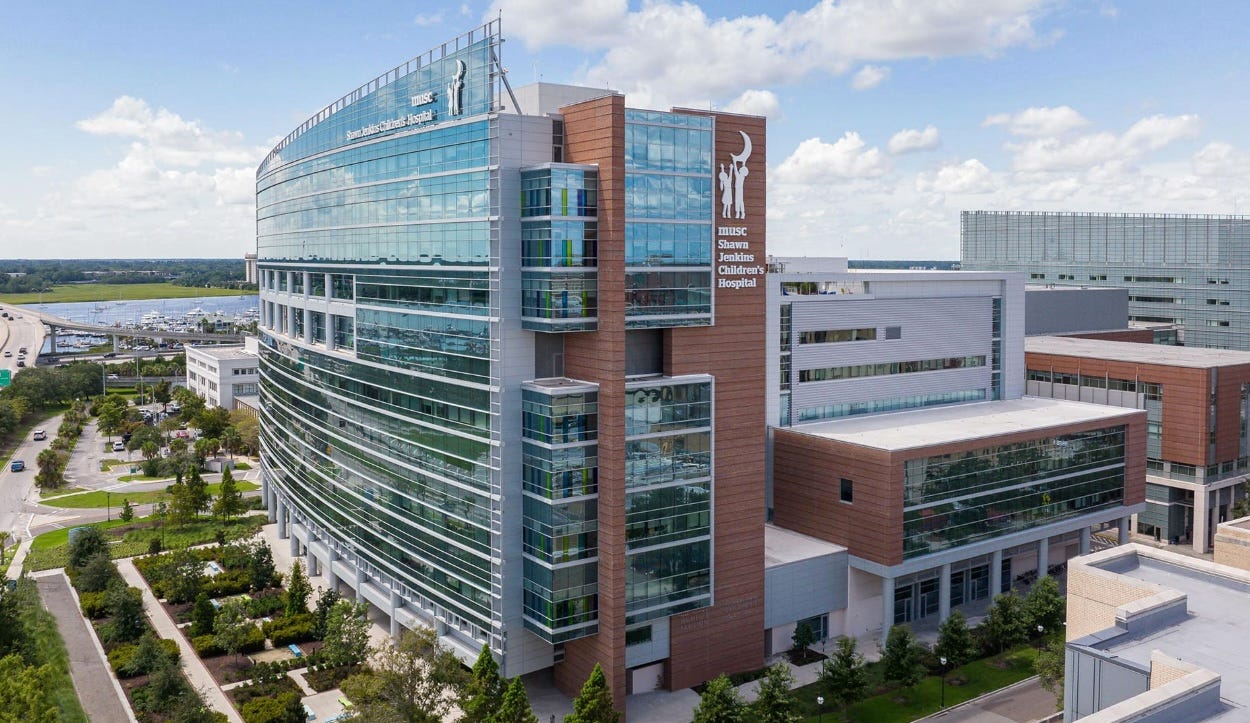
Last Monday, at 8:00 AM, I completed my third 7-day stretch of volunteer work as a faculty attending at the Children’s Hospital. It was exhausting, and I’ve spent more than a few days catching up on my sleep. This was a reminder to me that – in our fast-paced, increasingly technological health care system within hospitals – medical care is best suited for young professionals. Their idealism, their energy, and their ability to quickly absorb advances in science, technology and information systems are essential to their ability to provide the best care for their patients.
Near the end of this most recent week of service, I had the opportunity to spend 90 minutes with the head of Pediatric Neurology, who had supported my initial proposal. She was interested in my thoughts about the students and physicians who I had worked with in the hospital. Each day of that week, I supervised a group of five trainees – two medical students, two Neurology residents and a fellow in Pediatric Neurology. We consulted on patients in the Emergency Department, the pediatric and neonatal ICUs, the hematology-oncology ward, and the rehabilitation unit – with patients ranging in age from 10 weeks premature to 17 years old.
Without exception, this group of five impressed me with their dedication, compassion, and eagerness to learn. I was aware that the scientific knowledge of the more advanced trainees was extensive, but my clinical experience in working through unusual problems, which are the ones that commonly fill the beds of university hospitals, was valuable to them. They discovered that advanced knowledge is a complement to – not a substitute for – good clinical judgement.
I was asked whether I had any concerns about the young doctors that I worked with. “Yes, I do,” I said. “They talk too fast.” I explained that there is an incredible difference in the hospital between the daily tempo for the parents of the patient and for the doctors. Families may wait for hours sitting at the bedside doing nothing, or trying to comfort their child, or in some cases just hoping the child returns to consciousness. Their worry – and often grief – can be all consuming. The physicians on our team – like most throughout the hospital – are working at a frenetic pace, trying to evaluate the many patients we were asked to see and then discussing our recommendations with the doctors primarily responsible for the care of these children.
The residents and fellow that I worked with were diligent in explaining to parents the likely diagnosis or the tests that are required to make a diagnosis, or the results of the tests, showing them images of the brain and teaching about neurologic disorders or injuries. They discussed the likely course of the illness or disorder, the steps that need to be taken to get the child home, or the decisions to be made if the child will not be going home.
Every visit with every patient is part of an epic encounter that may forever change the life of the child or of their parents. In one room there may be tears that require tissues and hugs, while in the next room there may be tears that are celebratory. With one family we may be talking about the final stages of life; with another we may be explaining why we don’t yet know what is going on or why the child hasn’t responded to the treatment that we expected to be effective; with yet another, we may be developing strategies for the child’s transition to home or to school with some new deficit after recovery from a neurologic injury.
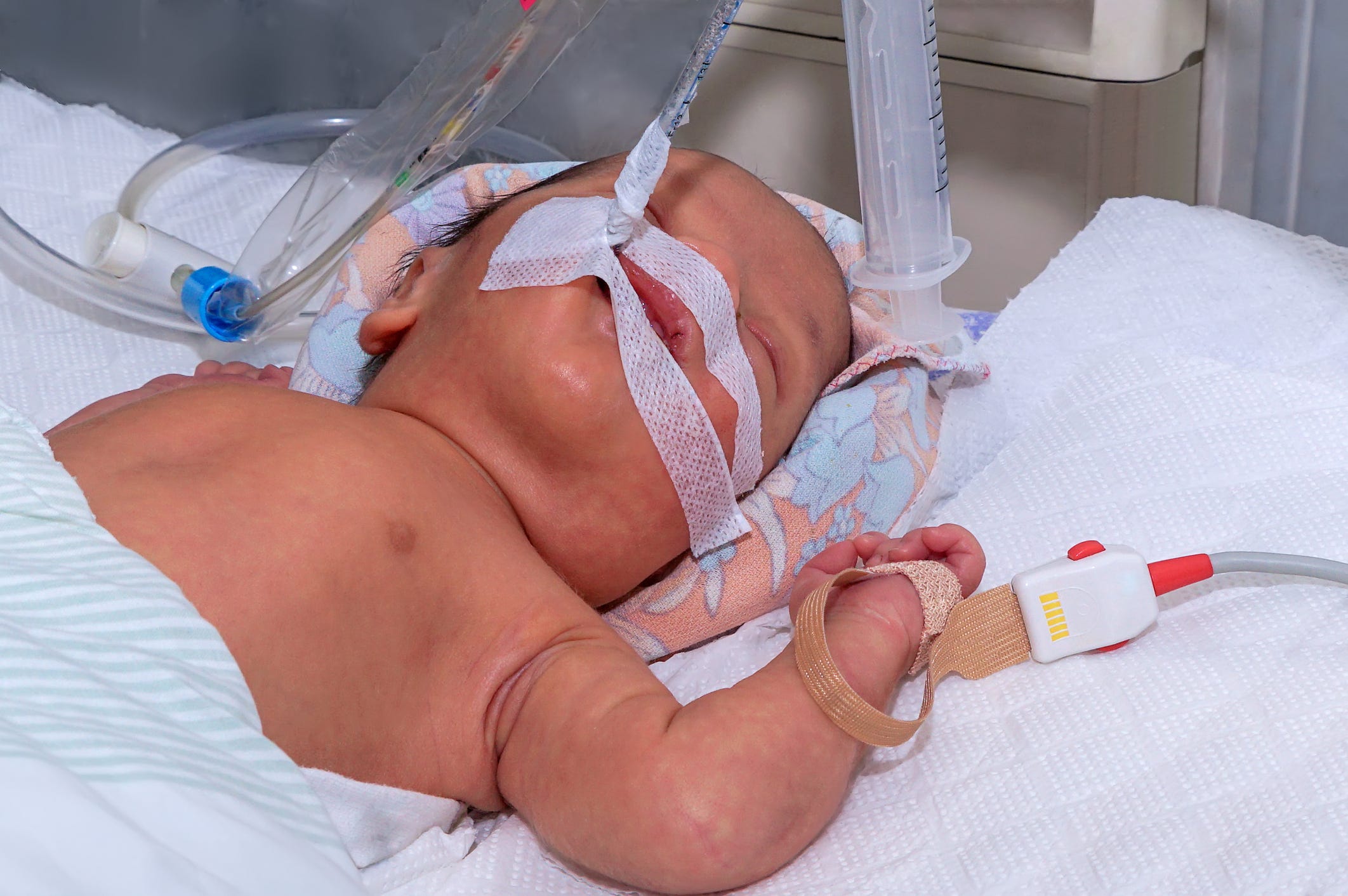
There is SO MUCH to communicate to families, and the physicians-in-training are diligent in sharing all they know that is relevant for the pediatric patient. But – because of the pressure that physicians are under – this often seems like filling an empty cup from a fire hydrant. I observed moms and dads nodding their heads, hoping to grasp a fraction of what they are being told, but certain to lose most of it. When the young physicians close with “Do you have any more questions?” I mostly hear parents answer “No”, but I suspect by the look in their eyes that there is a wish that the 15-minute summary be expanded into a two-hour discussion with a detailed hand-out summary.
Perhaps the most important lesson that I have been able to share during these volunteer weeks is not only how to think like a master diagnostician, but how to think and feel like a parent – a concerned, frightened parent who wants to know how to best care for their child. How much can a parent absorb at one time? I urge the trainees to talk slowly, and cover a limited number of topics at each visit. That is inefficient, I acknowledge, even knowing that efficiency is key to survival for a physician in the hospital. While we may know all the possible outcomes or complications or treatment options and feel responsible for sharing that vital information, no parent can absorb all of that as quickly as it is frequently shared.
Upon reflection, I don’t know how often I had the same problem when I started my pediatric internship a month after graduating from medical school. I was not yet married and not yet a parent. Yet – like the physicians-in-training with whom I was most recently working – I was caring for children in life and death situations. I was answering questions from concerned parents based upon my textbook knowledge, not upon years (or decades) of experience as a physician and as a parent. In the absence of these experiences, young physicians are continuing to learn how to wade into the deepest waters of their profession. This is why it is important to have faculty leadership and supervision for doctors in training.
It took time before I felt like I could genuinely fill the shoes of a physician. Until then, I was continually in search of a better understanding, as were the parents that I sought to help. Similarly, I see the young doctors I work with being eager to help, knowledgeable and diligent, yet having to work their way through the different clinical situations and diverse patient outcomes which will ultimately make them outstanding physicians.
As you, my grandchildren, pursue your calling – the jobs you are gifted and created to do – I advise you to be truthful with yourself about the limits of what you know and about the expanse of what you need to learn. I encourage you to consider – and welcome – constructive criticism and to seek wisdom from those whose experiences may enrich your understanding. But at the same time, be patient with yourself. None of what you seek comes easily or quickly; none comes without pain, loss, disappointment or failure. These provide the experiences that will help equip you for your climb to the “mountain top”.
Opa
[1] By the time the word śabbāt got translated from Hebrew to Greek to Latin to English, it became sabbath. In common usage, it refers to the seventh day that is set apart as a day of “ordinary work.”
[2] https://www.thetorah.com/article/the-decalogue-ten-commandments-or-ten-statements
[3] https://religion.ua.edu/blog/2020/08/20/whats-a-sabbatical/ and https://www.etymonline.com/word/sabbatical